
Five strange browser games for a short break
Sometimes a game begins with an everyday object behaving differently: a pointer becomes a fighter, a volume setting becomes a challenge, or a tier list becomes a place for an argument. These five experiments each give you one unusual thing to try.
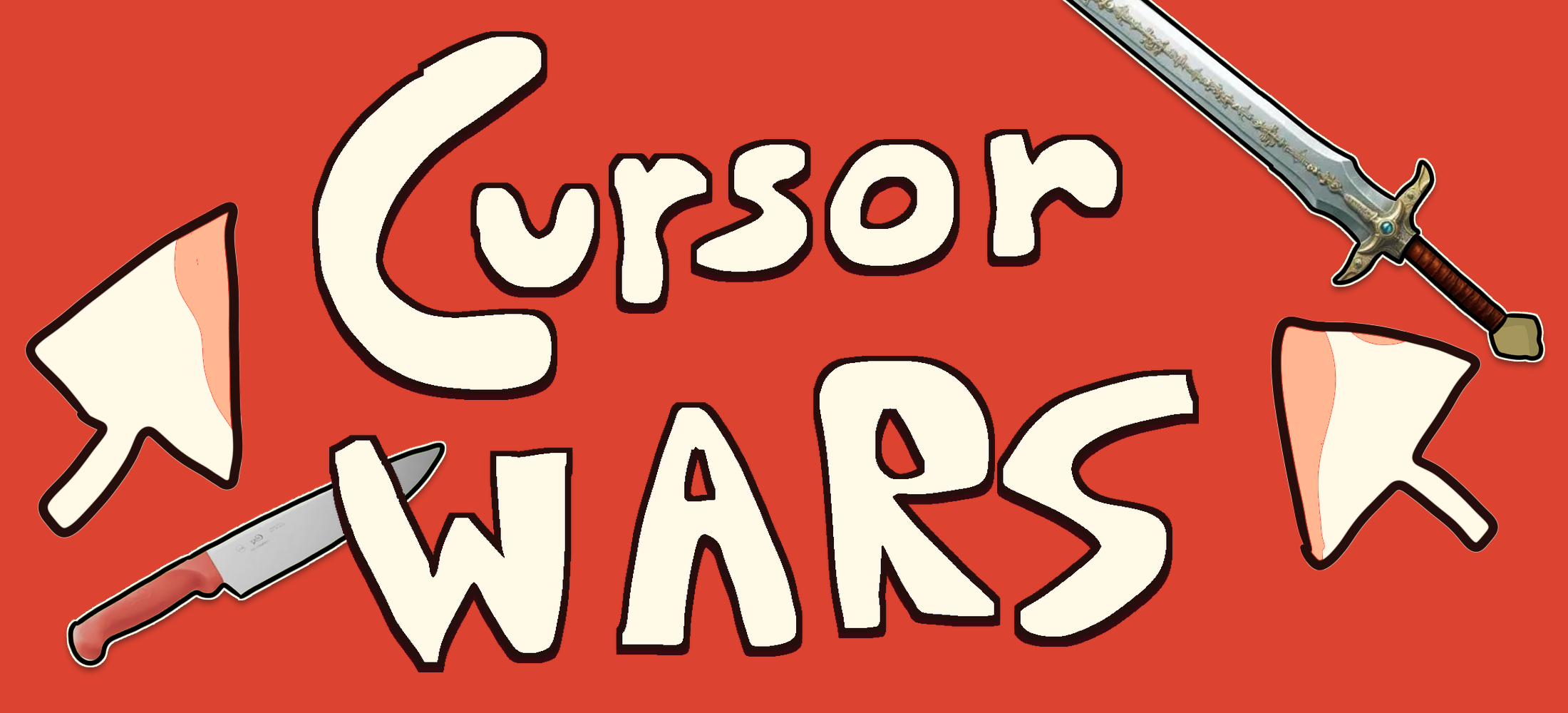
Turn a familiar control into the game
In Cursor Wars, moving the pointer is combat. Pick a weapon and start with a bot match to feel its reach. Move the mouse to swing, and hold click or Space to shoot with a weapon that supports it. The challenge is in how you move.
Volume Control makes a smaller demand: reach the target number. The awkward control is the point. Move a little, see how far the value changes and adjust. The target is a game value; your device still controls listening volume.
Ask an unreasonable question, then watch
?vs? starts with two contenders. Choose an unlikely pairing and wait while the game prepares images and AI-generated statistics. The fight is fictional entertainment, not a factual comparison of real-world strength or ability. Preparation can take time.
Digital Fruit Fly rewards observation. Place food, try a nudge and compare the fly’s vision with its neural activity panel. Its model uses reconstructed brain connectivity and a simplified simulation. It is not a recording of a living fly’s thoughts or a validated reproduction of its behaviour.
Make a ranking somebody will disagree with
Everything Tier List gives you a shared board of items to inspect and rank. Move tiles between tiers, zoom out to see the arrangement or open a tile for its larger picture, source information and comments.
Pick a criterion first: usefulness, how much you like something, or how it would survive an absurd situation. Explaining one surprising placement often makes the argument better. The board contains opinions, not an objective verdict.
Choose one idea for your first visit. Cursor Wars suits an active break; the fly and the tier list leave more room to look around.